
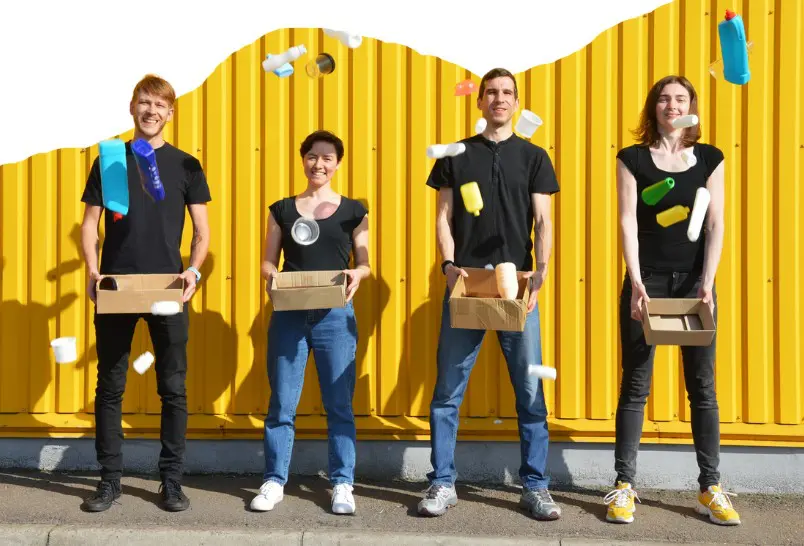
Young people from Spain, Nigeria, Ukraine, the Philippines and Hungary are among the Recycling Heroes 2026. The Global Recycling Foundation (GRF) announced the winners on Global Recycling Day, celebrated each year on 18 March.
The theme of the competition this year was ‘Don’t Think Waste – Think Opportunity’, encouraging everyone to view waste as a valuable resource, which underlines the economic value of recycling helping drive circular economy and sustainable practices.
Golden opportunity
Entrants submitted short videos to illustrate how their projects and initiatives best demonstrated this year’s theme. ‘Once again the entries for the competition have highlighted an outstanding range of innovation and entrepreneurship, reflecting the passion which young people in particular feel about the environment,’ says GRF founder Ranjit Baxi. ‘They realise that waste recycling does indeed present a golden opportunity.’
The recovered paper trader and former president of BIR calls on policymakers to match the urgency and ambition shown by the next generation. ‘Politicians and leaders should reflect on young people’s desire to preserve the planet and follow the lead to a goal which our future leaders are demanding’.
And the winners are…
The 15 winners will each receive US$ 500 (EUR 435). The winners are:
1. RecyclesPay – African Clean Up Initiative, Nigeria
An eco-friendly educational support initiative to prevent school dropouts among children from vulnerable households. The programme enables parents to contribute recyclable materials in exchange for support toward their children’s educational needs, particularly school fees.
2. Spanish Federation of Recovery and Recycling (FER), Spain
Its mission is captured in its core philosophy: ‘Live to recycle, recycle to live’ (Vivir para reciclar, reciclar para vivir). This is not just a job; it is an identity and a commitment to protecting our planet for future generations. FER believes that the true heroes of the circular economy are the men and women who work every day transforming waste into valuable resources.
3. The Nautilus Project, Gibraltar
The Great Gibraltar Beach Cleans (TGBC), founded in by The Nautilus Project and inspired by two siblings, Alex and AJ, is a community driven initiative that has removed over 11 tonnes of marine litter from the Gibraltar coastline. Led by volunteers, these regular events engage schools and the community to protect marine ecosystems.
4. Dajopen Waste Management Solutions in Kitale, Kenya
Composts urban biodegradable waste into high-quality organic fertiliser. The initiative trains other actors by providing practical skills and circular economy entrepreneurship pathways. The programmes deliver measurable environmental and social benefits.
5. Fatema Fruitwala (Green warrior. Earth), UAE
Upcycling textile and plastic waste into useful products while promoting responsible waste management. The initiative has successfully upcycled more than 20 tonnes of waste and continue to create awareness about sustainability, especially among children and communities.
6. MiReHu Nonprofit Kft, Hungary
The focus of the project is on waste prevention, showing a broken part can also be a unique design product. The project aims help people realise they have many options to be sustainable as they offer their unwanted furniture to reuse or buying used products.
7. Pipilika, Ireland / UK
Creates contemporary jewellery incorporating gold recovered from electronic waste. The jewellery sector represents the largest demand for gold and yet its use of gold recovered from e-waste is low. The project demonstrates the journey from e-waste to contemporary jewellery and promotes the use of recycled gold.
8. Triple R Recycling, Abuja, Nigeria
Reducing plastic pollution in communities by building an efficient waste collection and recycling system. Focuses on collecting waste plastics from water ways, rivers and the environment and buying back plastic waste from households and aggregators, while creating income opportunities for young people and women.
9. The Circular Oasis at CR205, Singapore
CR205 is pioneering a closed-loop water recycling system that redefines sustainable construction practices. The project aligns with Singapore’s Green Plan 2030. Site runoff is transformed into a multi-purpose asset through a cascading reuse model. Rather than discharging treated water, it is channelled into an innovative evaporative cooling system, circulating in roofs over worker rest areas.
10. Zero Waste ZP, Ukraine
The PlasticOn project in Zaporizhzhia, Ukraine was launched in 2021 by local environmental activists who wanted to demonstrate that plastic waste can become a resource instead of ending up in landfills. The workshop space and equipment were developed through crowdfunding, grants and volunteer work.
11. EnviroCom, Australia
Provided environmental education and research services to government, local communities, schools and the private sector throughout Australia since 1998. A passion for sustainable outcomes, community empowerment, quality data collection and assessment and efficient resource recovery has assisted our clients to deliver innovative strategies and programme elements.
12. Quest for Zero Waste Advocacy & Actions, USA
Initiative to build an environmental-friendly and material-efficient home as a living place for resource saving and waste reduction and as a venue space for educating and advocating for zero waste.
13. Leafline Washable Sanitary Wear, South Africa
A social enterprise transforming menstrual care through innovation, sustainability and dignity. By manufacturing washable sanitary wear from natural fibres extracted from pineapple leaves, Leafline replaces harmful, chemical-based disposable products with safe, environmentally friendly alternatives.
14. Jhun-Jhun Agustin, Philippines
Promotes plogging – running while picking up litter – to drive better health and a healthy environment. Plastic waste is sorted and generates revenue to supply solar lights while promoting a cleaner and healthier environment.
15. BLESSN EVEA SIGNATURE, Abuja, Nigeria
Passionate about transforming textile waste, fashion waste, and plastic waste into new, durable pieces through upcycling and recycling. The goal is to make a positive impact by reducing waste, creating jobs, and promoting environmental sustainability.
Inspired to recycle behind bars
This year GRF has also recognised five start-up initiatives. Each receives US$ 500. They include a Mexican man who learned the art of making bags, shoes, and other crafts from waste materials while in prison.
1. Business & Hotel Management School Sustainability Club, Switzerland
Store Recycling Innovation is a student-led project promoting sustainability. Students meet weekly to develop new sustainable and recycling solutions. Students established the Re: Store which has been very effective in reducing waste by repurposing and reusing everyday student items and has benefitted more than 250 students.
2. Little Coffee Cup, UK
Little Coffee Cup and the Big Surprise is the UK’s first children’s book made entirely from recycled coffee cups. It transforms hard-to-recycle waste into a high-quality, fully recyclable educational product, delivering measurable waste reduction, scalable circular economy impact, engaging children and families in sustainability and responsible recycling behaviours.
3. LassaSafe, Nigeria
Reduces environmental risk factors for notifiable diseases by promoting sustainable waste management, recycling, and community sanitation practices that protect ecosystems and strengthen preventive public health.
4. BSU Mandiri – A Grassroots Movement, Indonesia
In 2025, BSU Mandiri diverted more than 11 tonnes of mixed recyclable waste, including plastics, metals and glass, from landfill. The initiative is powered by eight active volunteers, working professionals, mothers and university students who dedicate their spare time.
5. Jesús González, Mexico:
Was in prison in California, USA, from 2024 to 2026. He strengthened his recycling skills and learned the art of making beautiful bags, shoes and other crafts. This generated an income to survive and buy toiletries and extra food or snacks. He recycled more than 1 000 bags. A free man, he is continuing in upcycling.
Don't hesitate to contact us to share your input and ideas. Subscribe to the magazine or (free) newsletter.


