
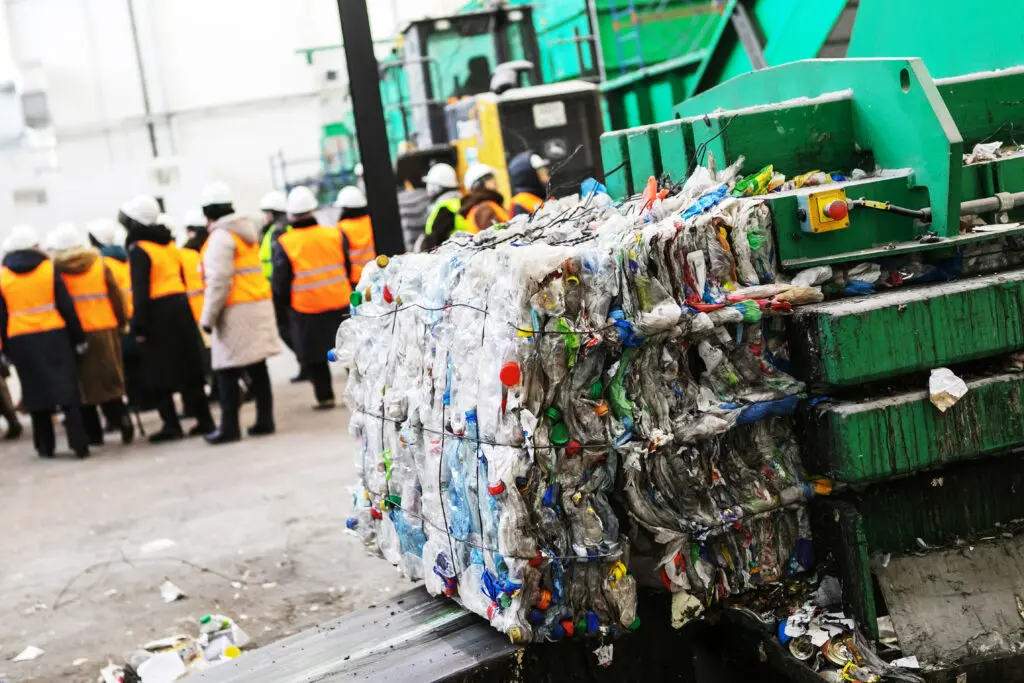
Demand for secondary plastics is boosted temporarily by the impact of the Iran war on oil prices, although recyclers worry about impending new EU shipment rules.
The European plastic recycling market remained under considerable pressure during the early weeks of 2026, as weak demand for recycled granules continued to weigh heavily on the industry. Across the region, recyclers were forced to operate at reduced capacity, not because of planned optimisation but just to keep facilities running in an environment where finished products were struggling to find buyers.
High inventory levels of recycled granules further discouraged production, creating a cycle in which limited demand translated directly into constrained operational activity.
This challenging situation was exacerbated by persistently low virgin polymer prices through February. With prime materials available at competitive rates, converters showed little incentive to shift toward recycled alternatives. The price gap between virgin and recycled polymers reduced the attractiveness of recyclates, placing additional strain on an already subdued plastic waste market.
Under typical conditions, export markets would help offset weak domestic demand of plastic waste but this channel also remained largely restricted. Türkiye was the only major outlet actively issuing import licences, while other key destinations were effectively absent from the market.
LICENSING DELAYS
A significant factor behind this export slowdown was the inactivity of Indonesian recyclers, who traditionally absorb substantial volumes of European plastic waste. Due to delays in import licence approvals, Indonesian buyers remained on the sidelines until the end of March. This absence contributed to mounting inventories at exporter warehouses across Europe.
As storage space became increasingly constrained, exporters were forced to reduce their purchasing activity and, in many cases, lower prices. Expectations that Indonesian licences would be approved by early March proved overly optimistic and the prolonged delay intensified downward pressure on the market.
OIL SPIKES
The overall sentiment began to shift towards the end of February, driven by an unexpected geopolitical development. Rising tensions between the United States and Iran – and eventual war – triggered a sharp increase in crude oil prices, which in turn significantly impacted the cost structure of virgin polymer production.
As feedstock prices climbed, virgin polymer prices surged, in some cases nearly doubling within the month. This sudden reversal altered the competitive landscape, restoring some balance between virgin and recycled materials. Although recycled prices did not rise at the same pace, the renewed movement in the market provided a much-needed boost to the recycling sector, both in terms of sentiment and transactional activity.
Further support came at the end of March, when Indonesia began issuing import licences to local recyclers. This development reactivated a critical export channel and immediately influenced pricing dynamics in Europe.
One of the most notable impacts was observed in LDPE natural film, where prices rose sharply from the EUR 240-245 per tonne range to approximately EUR 300 per tonne. The reopening of Indonesian demand helped ease inventory pressures and provided exporters with an outlet for accumulated stock, contributing to a broader recovery in market activity.
NEW EU RULES
However, this period of improvement is expected to be temporary, as the market approaches a significant regulatory shift. From 21 May, new restrictions on the export of plastic waste from Europe will come into force, introducing a notification system for shipments to both OECD and non-OECD countries.
This regulatory change effectively limits the current window for unrestricted exports to a short timeframe of approximately six weeks. As a result, exporters are likely to accelerate shipments in the lead-up to the deadline, which may temporarily support demand and pricing.
UNCERTAIN OUTLOOK
Beyond this point, the outlook remains uncertain. Market stability will largely depend on the ability of European recyclers to increase domestic demand and secure higher prices for recycled granules. If recyclers succeed in passing on increased costs and stimulating local consumption, prices for higher-quality materials such as LDPE natural film may remain relatively firm.
In contrast, lower-grade materials, including mixed-colour films such as 80/20 and 90/10, are expected to remain under pressure with trade flows increasingly dependent on regulatory approvals and environmental compliance procedures.
The sustainability of this recovery will depend on structural adjustments within the European market and the industry’s ability to adapt to an evolving regulatory landscape.
Don't hesitate to contact us to share your input and ideas. Subscribe to the magazine or (free) newsletter.
 Loading ...


