
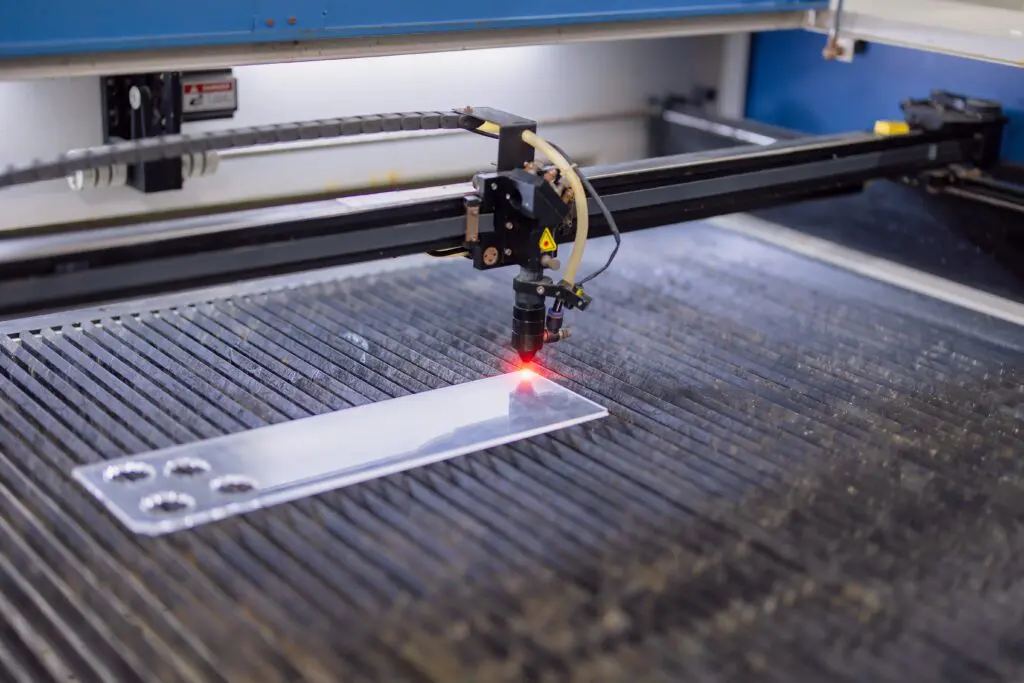
Researchers at the University of Bath in the UK have developed a chemical recycling method for acrylic plastics that could improve material recovery and quality.
The team focuses on polymethyl methacrylate (PMMA), a widely used plastic found in transparent panels, automotive parts and construction materials. Their findings, published in Nature Communications, point to a scalable route for producing high-quality recycled plastics.
Limits of current recycling
At present, most PMMA recycling relies on mechanical processes. Materials are shredded, melted and reformed. ‘However, repeated processing degrades quality,’ remarks researcher Jon Husband.
As a result, recycled PMMA often loses clarity and becomes discoloured. Consequently, it cannot be used in high-value applications such as screens or lenses.
Chemical recycling offers an alternative. Pyrolysis breaks plastics down into monomers at temperatures of 350°C to 400°C but the process is energy intensive. Moreover, contamination from mixed waste streams reduces efficiency.
Lower temperatures, stronger results
The new method takes a different approach. Husband explains his team uses ultraviolet light in an oxygen-free environment to break down PMMA.
The process is carried out at much lower temperatures, between 120°C and 180°C. Therefore, it reduces energy demand and improves overall efficiency.
According to Husband, conversion rates exceed 95%. ‘At the same time, more than 70% of the material is recovered as usable monomer.’ These building blocks can then be purified and repolymerised into new plastics with near-virgin properties.
Scaling potential
Globally, PMMA production reaches several million tonnes each year. The method pioneered by Bath University offers a ‘promising’ solution for a challenging material. By lowering temperatures and maintaining material quality, the process could support wider adoption of chemical recycling for acrylic plastics.
Don't hesitate to contact us to share your input and ideas. Subscribe to the magazine or (free) newsletter.


