
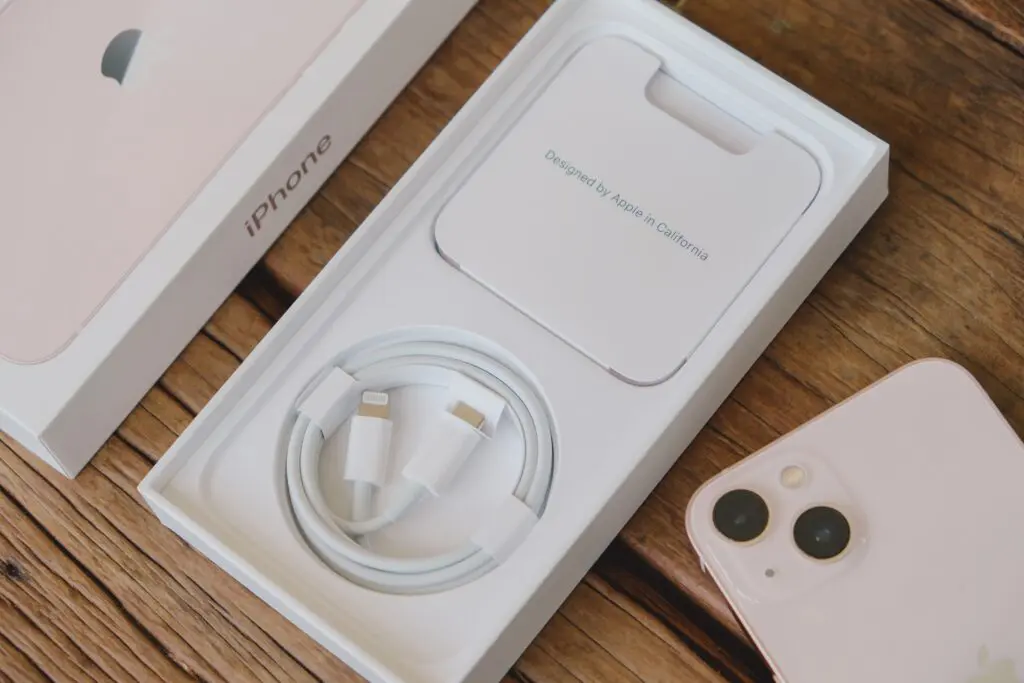
Apple and Samsung are stepping up sustainability efforts by cutting plastic packaging and increasing recycled material use across products.
Apple reports that 30% of materials in its products came from recycled sources in 2025. At the same time, it has removed all plastics from packaging.
Over the last five years, the company has avoided more than 15 000 tonnes of plastic.
Rising fibre popularity
Since 2016, Apple has introduced fibre trays, paper films and fibre-based closures. As a result, all products now ship in fibre-based packaging. Moreover, the company says materials are recyclable and responsibly sourced.
Additionally, Apple has downsized boxes to increase shipping efficiency. For instance, iPhone 17 packaging allows 35% more units per pallet. Consequently, transport emissions fall while logistics improve.
Zero landfilling ambition
Samsung has eliminated single-use plastics from mobile packaging. It now uses recycled paper-based materials across its Galaxy range. The brand has also expanded recycled content across devices. It uses recycled plastics, glass and aluminium in key components. The company has incorporated plastics from ocean-bound fishing nets.
In addition, Samsung is cutting landfill use through zero waste practices. Ten of its sites have reached platinum status under UL standards.
The manufacturer aims to include at least one recycled material in every mobile product module by 2030.
Circular market gains
The global sustainable electronics manufacturing market size was worth US$ 14.9 billion (EUR 12.8 billion) in 2024. The figure will exceed US$ 124.2 billion by 2034, according to new data by Precedence Research.
The Asia Pacific Region is expected to witness the biggest growth in sustainable electronics manufacturing. It holds a market share of 37%, followed by Europe (29%) and North America (25%).
Don't hesitate to contact us to share your input and ideas. Subscribe to the magazine or (free) newsletter.
 Loading ...


