
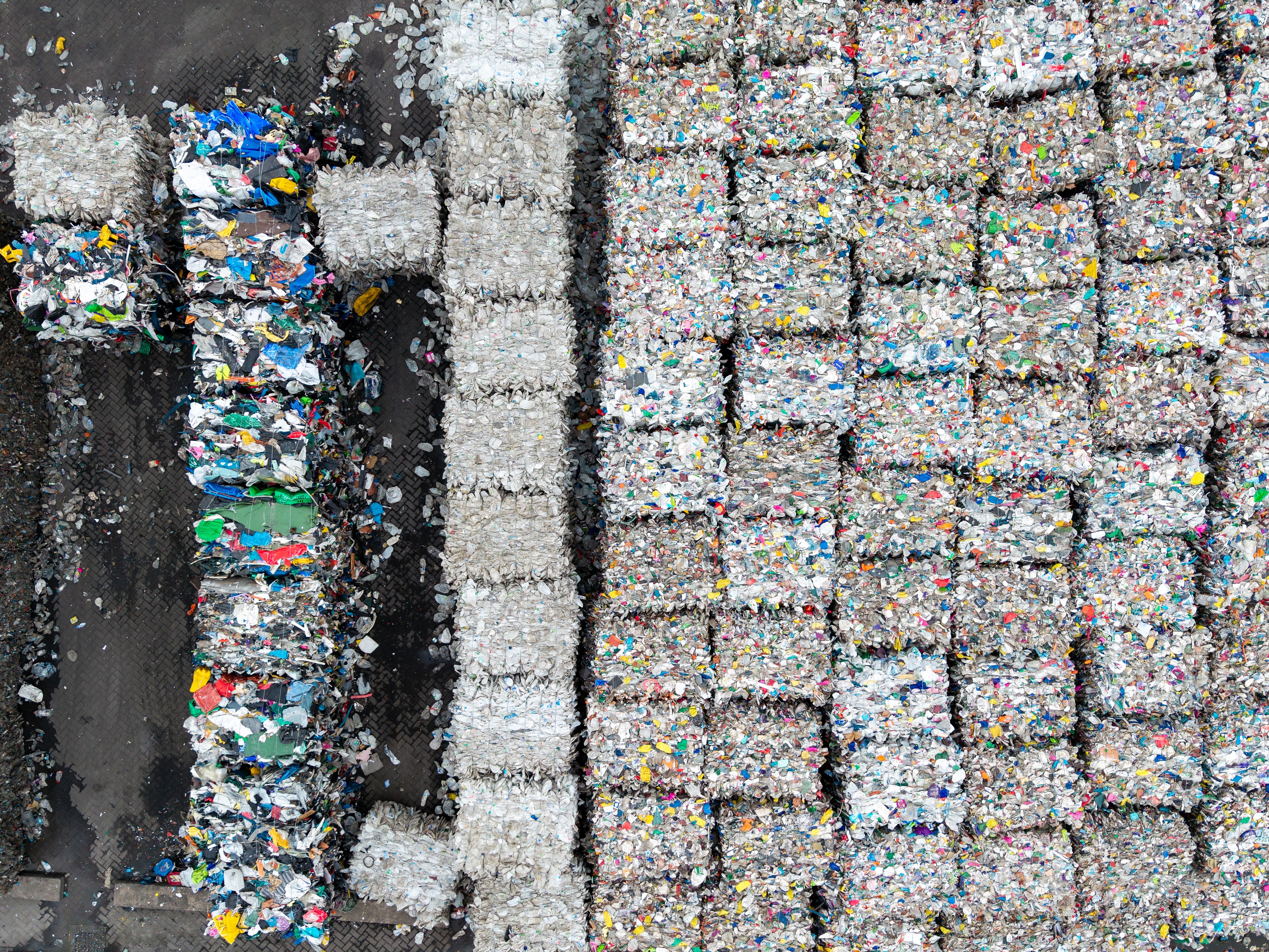
The EU’s notification procedure for scrap exports gets under way this Spring and traders fear its complexity will hit small and medium businesses.
The European plastic scrap market began showing signs of firmness in February. The initial trigger was the renewal of import licences for Turkish recyclers, bringing much-needed optimism back to exporters across Europe. Limited export channels had suppressed buying interest and weakened prices at the turn of the year.
With Türkiye gradually getting back into gear, exporters felt relief that accumulated inventories would finally start moving, prompting renewed purchasing activity within the region. This renewed demand quickly translated into slightly firmer prices across the European scrap market.
However, as long as Indonesia and Malaysia keep silent on the renewal of the licences, the uncertainty will remain.
COMPLEX AND INTENSIVE
From 21 May this year, all plastic waste shipments leaving Europe for non-European countries will fall under a prior notification procedure. This development represents a major structural change for the export-oriented recycling trade. Under the new framework, shipments will depend on formal approval by the importing countries.
The notification process is complex and documentation intensive. Exporters must provide detailed information about every party involved in handling the waste, including the processes and technologies involved in collection and recycling.
In addition, financial guarantees must be lodged, typically bank guarantees, increasing the financial exposure of exporters. For many small and mid-sized traders, this compliance burden may prove prohibitive.
High documentation costs, administrative expertise and financial guarantees is likely to push smaller operators out of the export market. Consolidation within the sector appears inevitable.
UNCERTAIN OUTLOOK
In the short term, market participants expect prices to remain firm. Many recyclers in Asia and Türkiye will attempt to secure as much material as possible before the May deadline to avoid procedural delays. This rush may temporarily support European scrap prices. However, beyond May the market outlook becomes more uncertain.
If notification approvals are delayed or restricted by importing countries, export volumes could shrink significantly. In the absence of a functioning export outlet, the European plastic scrap market could face severe oversupply.
European recyclers have limited capacity and can process only certain grades efficiently: primarily well-sorted materials with clear polymer and colour separation. Grades that require additional sorting, for which Asian recyclers have historically demonstrated stronger cost efficiency, could face significant challenges under the new regime.
WEAK DEMAND
Certain grades are particularly vulnerable. LDPE Natural is expected to maintain positive value as it remains relatively attractive for European recyclers. However, mixed-colour LDPE streams such as the 80/20 and 90/10 grades face major uncertainty. These materials often rely heavily on Asian processing capabilities and could be the most affected by export restrictions.
Similarly, some waste streams currently lack viable recycling solutions within Europe. One example is PP big bags, which have traditionally found outlets outside Europe. Without recycling options, these materials could become a growing environmental burden. Landfilling or incineration would contradict Europe’s recycling targets and circular economy ambitions.
At the same time, recyclers face a separate but equally pressing challenge: weak demand for recycled granules. Across Europe, significant volumes of recycled pellets remain in stock, struggling to find buyers. The core issue lies in cost competitiveness.
The cost of collection, sorting and recycling in Europe remains high, while virgin polymer prices are under pressure globally.
Expanded production capacities in Asia and the United States are keeping prime polymer prices low. Consequently, imports of competitively priced virgin polymer into Europe are expected to rise.
PRICING GAP
According to market observations, spot prices for recycled granules are currently EUR 150-200 per tonne higher than comparable virgin plastics in some segments. This pricing gap raises a fundamental question: why would converters choose recycled material that is not only more expensive but may also present consistency challenges?
In this difficult environment, extended producer responsibility organisations are intensifying efforts to evaluate alternative mechanisms to sustain material flows and maintain recycling rates.
Some EPR systems already provide financial incentives for incorporating recycled content into new packaging. However, these measures may not be sufficient to offset the structural imbalance between recycled and virgin material pricing. A stronger regulatory framework mandating recycled content in packaging could provide the necessary long-term stability.
Read the market analysis reports in our latest issue >>
Don't hesitate to contact us to share your input and ideas. Subscribe to the magazine or (free) newsletter.
 Loading ...


