
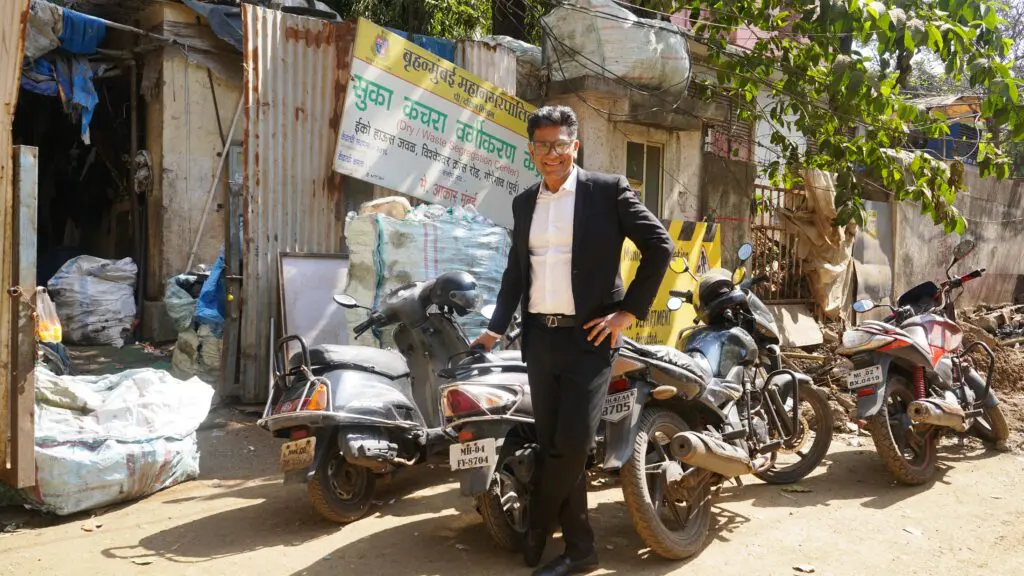
From his home and work base in Mumbai, non-ferrous scrap trader Dhawal Shah of Metco Ventures shares his thoughts on how India is becoming the world’s new recycling frontier.
In 1983, a star was born in the Indian automobile industry. Suzuki Japan got together with the Indian Government to establish a venture called Maruti Suzuki to manufacture passenger cars in India. In that year, only 64 000 units were sold across the country.
In the 40 years prior to Maruti Suzuki’s entry into India, we had only three manufacturers: Hindustan Motors, Premier Auto and Mahindra. They produced just three different models, the Ambassador, the Fiat and the Jeep. They had the same conventional looks and similar engineering to their Western versions.
Maruti Suzuki revolutionised the Indian car industry with new technology and a fresh look. It brought a tectonic shift to how young, aspiring India drives.
High potential
Moving back to 2026 and domestic car sales in the first six months of the year touched 2.5 million. It means the national target of five million units is now within striking range. Only three other countries in the world have crossed this milestone: the USA, Japan and China.
So this feels like quite an achievement. But as the world’s most populous country, we are nowhere close to our potential. Only 8% of Indian households have a car. Translated to per capita ownership, it would be far less. But with new registrations growing at an annual rate of 13%, the world’s leading auto manufacturers now have a production base in India.
Continuous expansion of the economy and the increased purchasing power of our people seem ready to ensure auto production will be the shining star of India’s industrial future. Even in its current form, it contributes around 7% to the manufacturing GDP of India.
Maruti Suzuki currently holds 40% of the Indian passenger car market, followed by Hyundai, Tata, Mahindra, Toyota and all the rest.
Catching up
India’s electric vehicle (EV) sector is expanding rapidly, too. EV sales of cars, two-and three-wheelers rose from 174 000 units in 2020 to almost two million units in 2025. This translates to a compounded annual growth rate of 62.5%! And all this growth will have huge significance for domestic recyclers in the coming decade.
India may be late to the party but it now seems to be in a tearing hurry to play the catch-up game. Zip.. Zap.. Vrooooooom.
Read the latest issue of Recycling International here >>
Don't hesitate to contact us to share your input and ideas. Subscribe to the magazine or (free) newsletter.


