
Mango is backing textile-to-textile recycling by becoming the first major fashion brand to invest in start-up The Post Fiber. The Spanish company is developing solutions to introduce post-consumer recycled fibres into mainstream collections.
The investment comes as the fashion industry faces growing pressure to increase the use of recycled content in new items. Mango says the move is part of a wider strategy to scale circular materials beyond pilot level.
The retailer has launched a limited-edition Mango Teen collection using fibres supplied by The Post Fiber. The ten-piece line, available online and in selected stores, includes T-shirts and sweatshirts.
Around 80% of each garment is recycled material. Roughly 15% comes from post-consumer waste collected through textile drop-off systems, while the remaining is sourced from post-industrial scrap.
Post Fiber’s process
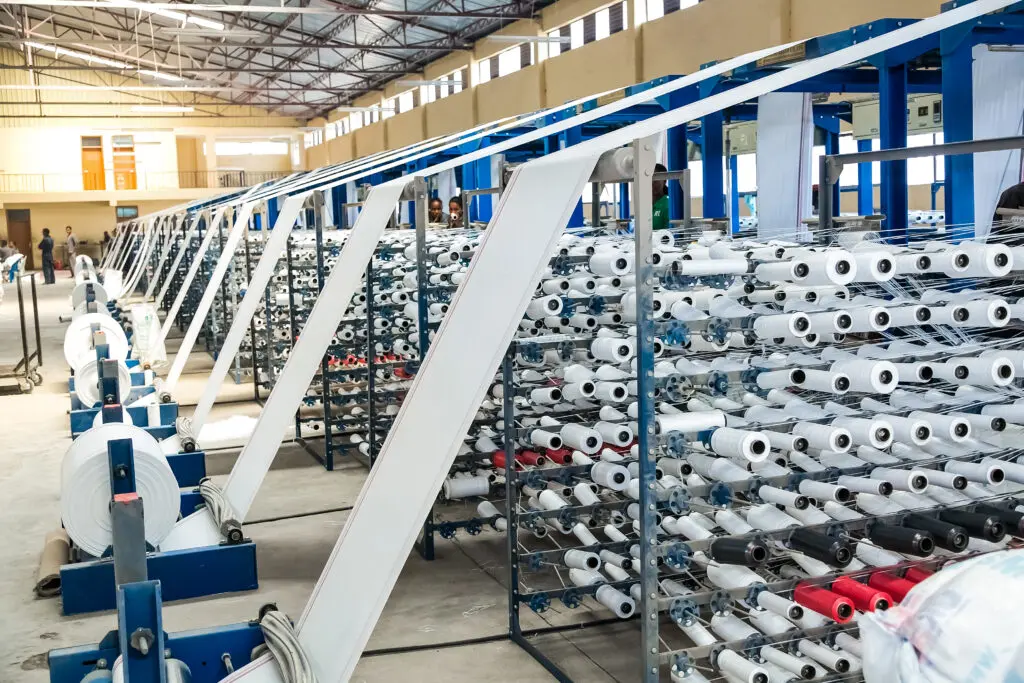
The Post Fiber breaks down discarded garments through a mechanical process, separates recoverable fibres and converts them into new yarns. While mechanical recycling of cotton-rich waste is not new, the push to integrate post-consumer feedstock into mass-market fashion remains limited due to quality challenges and fragmented collection systems.
The start-up supplies recycled fibres to partners who re-spin them into new yarns and fabrics that comply with strict sustainability criteria.
The Post Fiber is backed by four experienced textile-sector players: Hallotex, Textil Santanderina, Moda-Re and Margasa. The consortium focuses on traceability and industrial-scale processing of post-consumer textiles, a segment still underdeveloped in Europe despite incoming regulatory requirements.
Circular ambitions
To further reduce the environmental footprint, Mango used Pigmentura dyeing technology for the range. The pigment-based method significantly cuts water and energy use compared to conventional dyeing, including for small-volume and colour-intensive items.
In Mango’s most recent financial year, 72% of fibres used across its collections met lower-impact criteria, with 25% being recycled. The company aims to raise recycled content to 40% by 2030 and reach full use of lower-impact fibres that same year. Its investment in The Post Fiber is presented as both a sourcing strategy and a push to expand accessible recycling capacity.
Mango currently operates more than 2 850 stores in 120 countries and plans to add another 500 locations in 2026.
Don't hesitate to contact us to share your input and ideas. Subscribe to the magazine or (free) newsletter.
 Loading ...


