
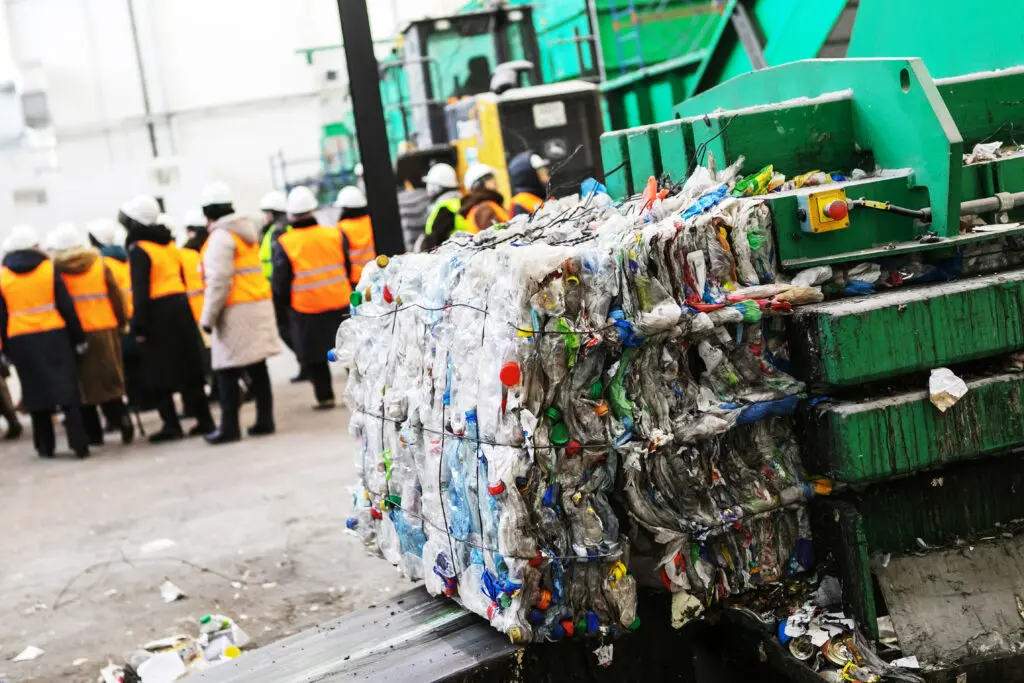
Prospects for the year ahead remain gloomy as low virgin prices continue to hamper drives for more recycled content in new products.
2025 proved to be an extremely challenging year for the global plastic recycling industry, affecting not only Europe but Asia as well. Recyclers worldwide struggled to keep their facilities operating profitably and many were forced to shut down due to their inability to sell recycled output even at break-even levels.
One of the key pressures came from low-priced virgin plastics, which intensified competition and significantly eroded demand for recycled materials. Recyclers were unable to reduce production costs sufficiently to remain competitive, ultimately leading to widespread operational closures.
It has become clear that without mandatory requirements for the use of recycled granules in new packaging, the situation is unlikely to improve meaningfully in the near term.
Only a limited number of brand owners continue to prioritise their circular economy commitments over cost considerations. Slower economic growth and reduced consumer spending have prompted companies to focus on cost efficiency to maintain production levels.
EXPORT BLUES
As the industry entered January 2026, plastic scrap prices remained sluggish. The primary reason continues to be the lack of export opportunities to major destination countries. Recyclers in Turkey, Indonesia and Malaysia are still in the process of renewing their import licences.
Indian recyclers, although holding longer-term licences, remain under notification procedures that make obtaining approval difficult and time-consuming, effectively sidelining them as key business partners. Until renewals are clarified, demand is expected to remain weak.
2026 OUTLOOK
Virgin plastic prices are expected to remain stable with limited upside potential, as new production capacities are expected to enter the market this year. High availability will keep the prices under pressure, even with a stable demand from converters.
Persistently low prime prices will therefore continue to exert pressure on the recycling industry. Shipping freight rates have remained largely stable over the past five to six months. For Asian destinations, most shipping lines continue to use longer routes to avoid risks associated with the Red Sea.
Container availability remains adequate and freight rates are expected to be stable in the coming months.
Don't hesitate to contact us to share your input and ideas. Subscribe to the magazine or (free) newsletter.
 Loading ...


