
The UK government has unveiled its Vision 2035 Critical Minerals Strategy with the goal of 10% of the nation’s demand for critical minerals coming from domestic production and 20% from recycling within a decade.
The UK currently produces just 6% of its critical mineral needs domestically, exposing it to vulnerabilities in global supply chains. The government is pledging up to £50 million (EUR 57 million) on projects boosting domestic production, processing and recycling of critical minerals.
Recycling is key
A standout feature of the strategy is its emphasis on a circular economy for critical minerals. Rather than relying entirely on new mining, the UK plans to make better use of minerals already embedded in end-of-life products from old batteries and electric motors to wind turbine magnets.
According to the government, recycling currently lags because of low collection rates and the technical difficulty of extracting critical materials from complex products.
But the strategy aims to change that through R&D, innovation and commercial-scale processing, turning waste streams into a strategic resource.Some of the recycled material is expected to come from high-margin sources. As an example, platinum-group metals are already recycled at high rates, thanks to industrial catalyst reuse.
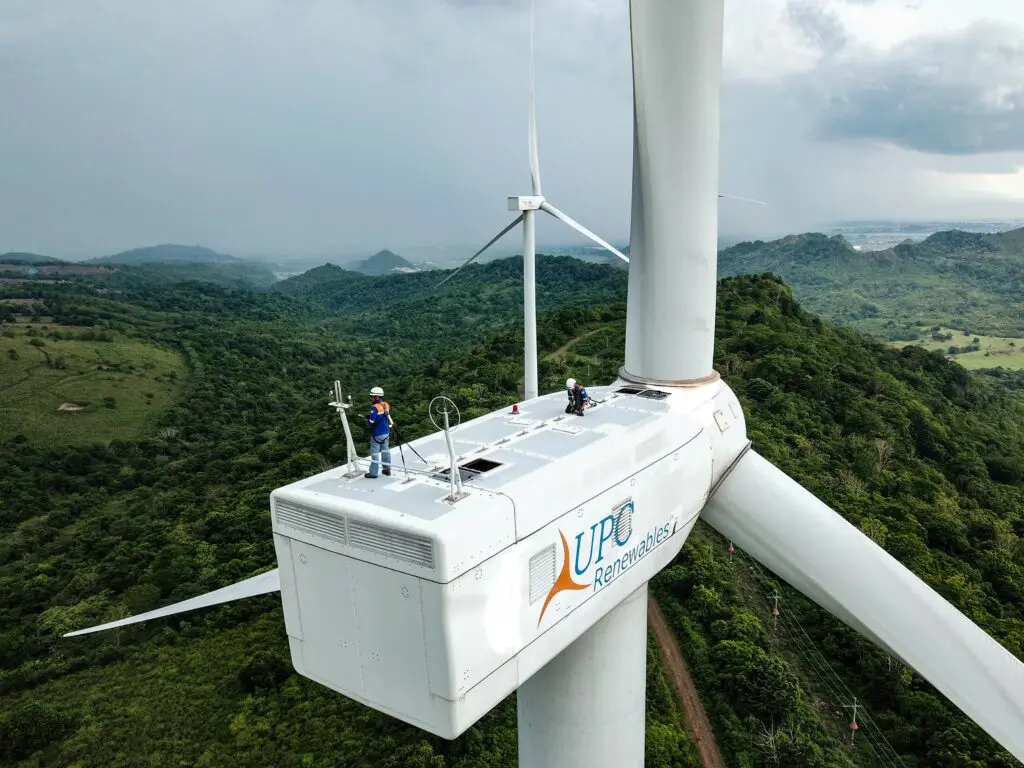
Meanwhile, rare earth magnets used in EVs and turbines are identified as especially promising for future recycling.
Strategic aims
This recycling-led approach is not just about reducing dependence on imports; it also supports the UK’s net-zero and environmental goals. By recovering minerals already in circulation, the strategy aims to cut both carbon emissions and waste, reduce the pressure on primary mining, and boost resource security.
An ‘A-C-E’ framework underpins the strategy: accelerate domestic capability, collaborate internationally and enhance global markets. The recycling emphasis falls under the ‘accelerate’ leg, reflecting the UK’s aim to build a resilient, sustainable circular supply chain for critical minerals.
Challenges ahead
However, significant hurdles remain. Collecting enough end-of-life devices, scaling up recovery technologies, and making recycling financially viable are all major challenges. Yet with growing demand for clean technologies and geopolitical risks around mineral supply chains, the UK is betting that recycling will become a strategic pillar of its critical mineral resilience.
Don't hesitate to contact us to share your input and ideas. Subscribe to the magazine or (free) newsletter.
 Loading ...


