
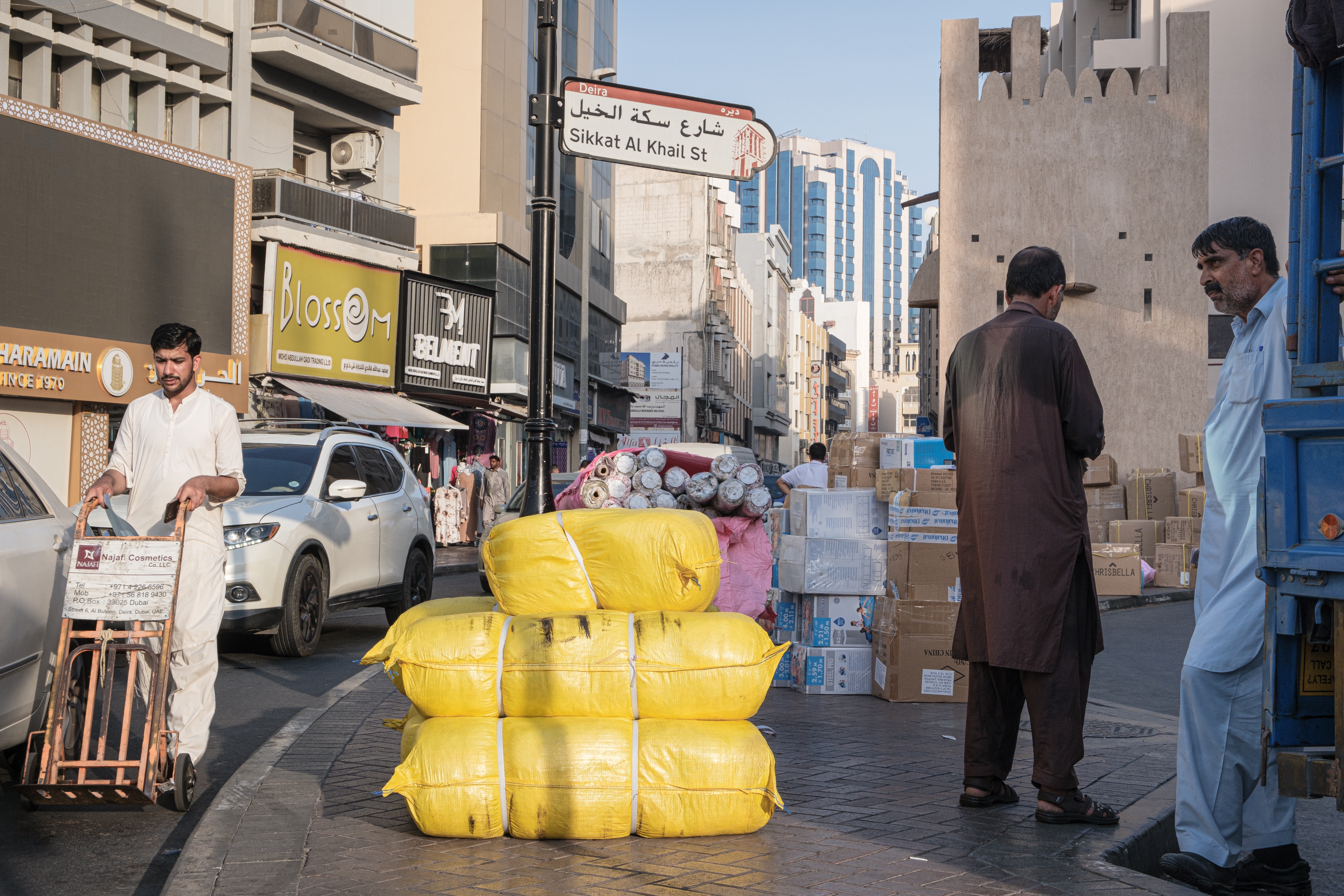
The World Bank is sounding the alarm bells on rapidly growing waste volumes across the Middle East and North Africa. The region produces more than 155 million tonnes of waste per year, a figure expected to double by 2050.
Waste is already causing US$ 7 billion (EUR 6 billion) in environmental damage each year, says the World Bank in a new report. ‘Fast growing waste generation is increasingly threatening public health, degrading the environment, and undermining the tourism sector, a key economic driver for many countries in the MENA region.’
Limited recycling
Obviously, cities form the biggest challenge. Improving urban waste services is critical to reducing pollution, protecting communities and sustaining economic growth. While waste collection rates are relatively high, reaching 80%, recycling and treatment remain limited. According to the World Bank, less than 10% of waste is recycled while more than 60% is ‘mismanaged, contributing to air, soil and water pollution, marine litter and serious health risks’.
Huge recycling opportunity
The report concludes that ‘up to 83% of collected waste in MENA could be reused, recycled or recovered for energy’. Transitioning to a circular economy could also create better jobs, particularly in waste services and recycling, turning today’s waste crisis into a driver of sustainable growth.
The World Bank highlights three priorities: scaling up financing through user fees, public-private partnerships, and extended producer responsibility systems; reducing food and packaging waste; and strengthening coordination and accountability between national and local institutions.
Plastic leakage
The report also points out those areas with the highest rates per capita of plastic leakage into the seas, with the Mediterranean among the most polluted marine environments globally. Even so, it stresses that modernising waste systems and embracing circular economy solutions could protect public health, strengthen tourism and support greener cities.
Ramp up circular solutions
Based on data from 19 countries and 26 cities, the report outlines various ways to move forward: high-income countries can cut landfilling and scale circular solutions while middle-income countries can work toward universal collection while improving recovery and treatment. Fragile and conflict-affected states can prioritise low-cost, community approaches.
Don't hesitate to contact us to share your input and ideas. Subscribe to the magazine or (free) newsletter.
 Loading ...


