
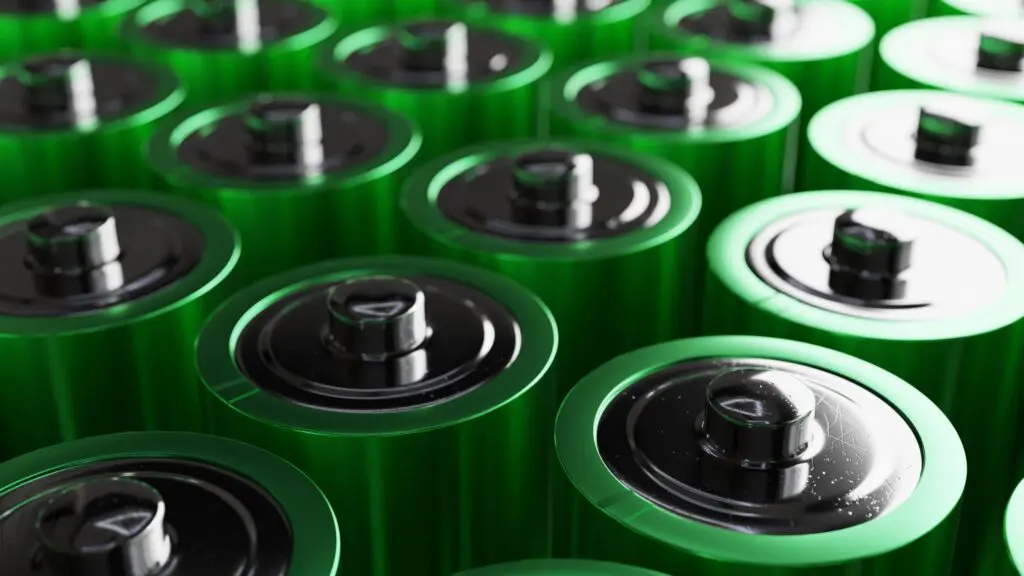
The logistic market for battery recycling is becoming a strategic industry where nations compete, innovate and collaborate simultaneously, according to a new report.
Research Intelo, a market consultancy in the US and India, says battery recycling logistics is no longer an invisible backend operation. ‘For the UK, USA, and Germany, leadership in this market is not just about sustainability – it is about industrial relevance in a battery-powered world.’
The report concludes that, as volumes rise and expectations tighten, the winners will be those who treat logistics as ‘intelligent stewardship of energy resources’. According to Research Intelo, the global logistics market for batteries was valued at US$ 2.1 billion (EUR 1.80 billion) in 2024 and is projected to reach US$5.6 billion by 2033.
Exponential growth
‘This remarkable growth is primarily driven by the exponential increase in battery usage across automotive, industrial and consumer electronics sectors, coupled with stringent regulations mandating responsible battery disposal and recycling. As the global transition to electric vehicles (EVs) and renewable energy storage accelerates, the demand for efficient, safe and sustainable battery recycling logistics solutions is surging.’Battery recycling logistics refers to the end-to-end movement and management of spent, damaged, or end-of-life batteries from collection points to recycling or recovery facilities. This includes reverse logistics, hazardous material handling, compliance management, traceability systems and cross-border coordination.
Rapid expansion
The report says three forces are driving the rapid expansion of the battery recycling logistics market: EV adoption accelerating faster than early forecasts; regulatory pressure; and the realisation that lithium, cobalt, nickel, and manganese are geopolitical assets.
‘Efficient recycling logistics ensures these materials remain within domestic or allied supply chains rather than becoming import dependencies.’
Additionally, the battery recycling logistics market is generating a wide range of jobs such as hazardous materials specialists; compliance and regulatory professionals; data analysts and logistics planners; and automation and robotics technicians.
Despite momentum, major challenges are said to remain:
- differing rules across countries slow cross-border logistics.
- rural collection and last-mile logistics remain underdeveloped.
- thermal runaway incidents still pose reputational and financial risks.
Don't hesitate to contact us to share your input and ideas. Subscribe to the magazine or (free) newsletter.
 Loading ...


